
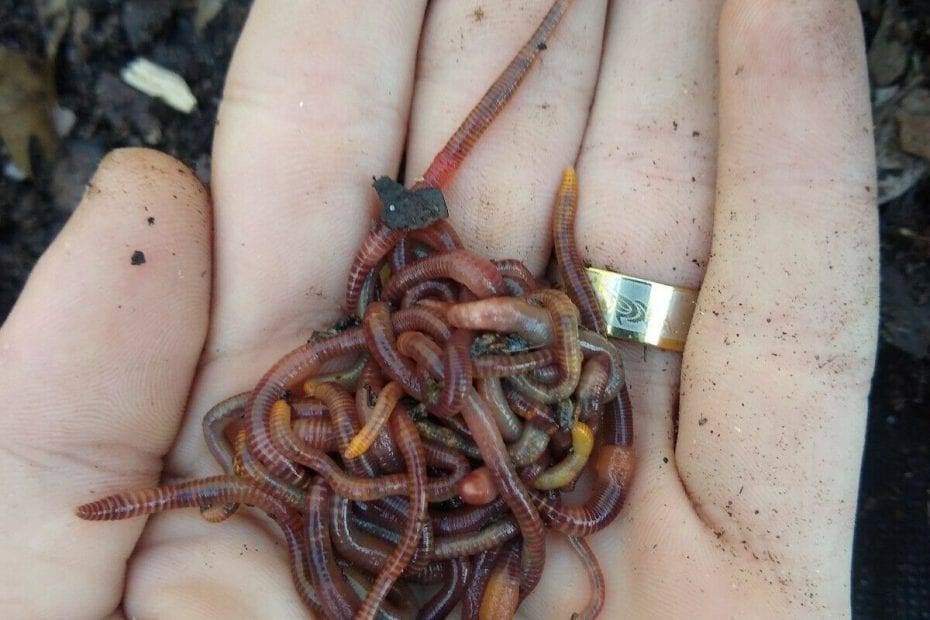

How to Start a Red Wiggler Worm Bin at Home
A worm bin gives kitchen scraps a second purpose without requiring a yard. You need a ventilated container, moist bedding, a place away from temperature extremes, and red wiggler worms (Eisenia fetida). The important habit is to watch the bin and adjust food and moisture to what the worms are actually using.
Choose a bin and a sheltered spot
Use a container you can cover and inspect. It needs air circulation and a way to manage excess liquid; a tray beneath drainage holes can protect the surface below. Keep it out of direct sun and away from freezing or extreme heat. University of Maryland Extension says red worms are most efficient when kept moist and ventilated at about 55–75°F. A shaded indoor spot is often easier to control than a hot patio.
Make the bedding damp, not soggy
Tear plain cardboard or newspaper into strips, moisten them, drain excess water, and fluff the bedding into the bin. There should be room for air between the pieces. We’ve found finely shredded paper works well for our bins. You can prepare your own or see our paper bedding.
Add the worms, then start with a little food
Red wigglers live near the surface of decaying organic matter, which makes them suited to a composting bin. Place them on the prepared bedding and cover the bin. It is fine to let them settle for a few days before feeding.
When you feed, tuck a small amount of fruit or vegetable scraps beneath the bedding. Check whether it is disappearing before adding more, and use a different spot next time. Covering scraps helps reduce fruit flies and odors. Avoid meat, fat, dairy, and pet waste. If scraps pile up or the bin smells, pause feeding and check moisture and airflow.
Let the bin tell you what it needs
There is no fixed feeding schedule for every starter colony. Temperature, bin size, and how established the bin is all matter. If bedding becomes soggy, add dry bedding and improve drainage; if it dries out, moisten it gradually. Keep the bin sheltered and check on it regularly.
Ready to begin? See our 50-count red wiggler listing or compare available worm counts. A starter culture will need time to establish; the number on a product page is not a promise that it will process a set amount of food immediately. Check current availability before ordering.
Sources and care notes
Care guidance: University of Maryland Extension, Indoor Worm Composting or Vermicomposting; Oregon State University Extension, Composting with worms. Bin conditions and feeding needs vary; contact us if you need help choosing a count or troubleshooting your setup.
Interested in purchasing wormsf or my raised garden beds